
Benjamin Lara
LCSWIdaho · 11 yrs exp
Practical, person-centered counseling for real-life struggles
Stress, Anxiety · Addictions · LGBT · Depression · +16 more
Read profileTherapist listings are provided by BetterHelp. We will earn a commission at no additional cost to you if you use our links to purchase.
Welcome to our Idaho directory for online therapists. All therapists listed here are licensed in Idaho and offer telehealth options for residents across the state. Explore the profiles below to find therapists who match your needs and approach.
Idaho · 11 yrs exp
Practical, person-centered counseling for real-life struggles
Stress, Anxiety · Addictions · LGBT · Depression · +16 more
Read profile
Idaho · 5 yrs exp
Practical support for stress, relationships, and codependency
Stress, Anxiety · Addictions · Relationship · Trauma and abuse · +11 more
Read profile
Idaho · 13 yrs exp
Calm, person-centered support for steady change
Stress, Anxiety · Addictions · Trauma and abuse · Depression · +7 more
Read profile
Idaho · 37 yrs exp
Therapist focused on practical change
Stress, Anxiety · Relationship · Trauma and abuse · Grief · +10 more
Read profile
Idaho · 8 yrs exp
Presence-focused counselor building resilience
Stress, Anxiety · Trauma and abuse · Parenting · Self esteem · +2 more
Read profile
Idaho · 8 yrs exp
Therapy focused on steady, practical change
Stress, Anxiety · Relationship · Trauma and abuse · Bipolar · +14 more
Read profile
Idaho · 6 yrs exp
Compassionate counselor for stress and recovery
Stress, Anxiety · Relationship · Trauma and abuse · Self esteem · +1 more
Read profile
Idaho · 19 yrs exp
Practical, steady support for everyday challenges
Stress, Anxiety · Addictions · Trauma and abuse · Self esteem · +11 more
Read profile
Idaho · 9 yrs exp
Practical, down-to-earth therapy for change
Stress, Anxiety · Relationship · Family · Parenting · +13 more
Read profile
Idaho · 47 yrs exp
Experienced counselor focused on practical change
Stress, Anxiety · Trauma and abuse · Parenting · Anger · +6 more
Read profile
Idaho · 6 yrs exp
Calm, values-driven care for everyday struggles
Stress, Anxiety · Addictions · Relationship · Depression · +9 more
Read profile
Idaho · 9 yrs exp
Practical support for stress and relationships
Stress, Anxiety · Family · Parenting · Self esteem · +13 more
Read profile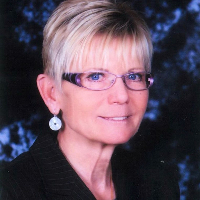
Idaho · 29 yrs exp
Experienced counselor helping people change patterns
Stress, Anxiety · Relationship · Family · Grief · +10 more
Read profile
Idaho · 18 yrs exp
Experienced LCSW focused on practical change
Stress, Anxiety · Trauma and abuse · Grief · Self esteem · +10 more
Read profile
Idaho · 12 yrs exp
Compassionate, practical counseling for relationship struggles
Stress, Anxiety · Relationship · Trauma and abuse · Depression · +14 more
Read profile
Idaho · 25 yrs exp
Experienced LCSW focused on practical growth
Stress, Anxiety · Relationship · Grief · Depression · +11 more
Read profile
Idaho · 10 yrs exp
Practical, values-focused counseling for real life
Stress, Anxiety · Relationship · Parenting · Self esteem · +15 more
Read profile
Idaho · 25 yrs exp
Practical, steady therapy grounded in mindfulness
Stress, Anxiety · Relationship · Family · Trauma and abuse · +14 more
Read profile
Idaho · 6 yrs exp
Practical support for life transitions and relationships
Stress, Anxiety · Relationship · Self esteem · Depression · +14 more
Read profile
Idaho · 6 yrs exp
Calm, practical counseling for everyday struggles
Stress, Anxiety · Trauma and abuse · Grief · Anger · +12 more
Read profile
Idaho · 24 yrs exp
Compassionate counselor guiding practical change
Stress, Anxiety · Relationship · Grief · Depression · +8 more
Read profile
Idaho · 3 yrs exp
Compassionate, practical help for everyday struggles
Stress, Anxiety · Family · Parenting · Self esteem · +8 more
Read profile
Idaho · 11 yrs exp
Experienced, practical therapy for adults
Stress, Anxiety · Family · Trauma and abuse · Self esteem · +13 more
Read profile
Idaho · 7 yrs exp
Practical, person-centered therapy for life challenges
Stress, Anxiety · Self esteem · Depression · Relationship · +7 more
Read profileOnline therapy has become a mainstream way to connect with mental health professionals in Idaho and beyond. You can access licensed therapists from towns and cities across the state without traveling long distances, which matters if you live in a rural area or have a busy schedule. In Idaho, licensed professionals who provide remote services follow state rules for telehealth practice and may deliver sessions by video or telephone. The range of approaches and focus areas you will find among online therapists in Idaho reflects the broader field of mental health care - from relationship concerns like codependency to anxiety, grief, trauma, and life transitions. When you search listings you will often see therapists who list a mix of approaches such as cognitive behavioral approaches, psychodynamic perspectives, relational methods, trauma-informed work, and somatic-informed practices. Those listings reflect the ways therapists describe their work rather than formal endorsements by this site.
As more people choose remote care, therapists have adapted intake and consent processes to work online. You can usually review a therapist's profile to learn about their education, licensure type, theoretical approaches they mention, and the populations they focus on. Profiles may also note languages spoken and general areas of specialty. This makes it easier to narrow your search before you reach out. Keep in mind that the specifics of session format and recordkeeping are handled by each clinician and their practice, so it is helpful to ask questions about how they conduct telehealth sessions when you contact them.
Choosing online therapy in Idaho can reduce practical barriers to getting help. You avoid travel time and can schedule sessions around work, school, or family responsibilities. Online sessions make it easier to see a therapist from a different region of the state, which can be useful if you are seeking someone with particular experience or language ability. Convenience is only one advantage - many people find that the remote format helps them speak more openly because they can remain in a familiar environment that feels comfortable to them.
Online therapy also expands options if local providers are limited in your area. For people who manage chronic conditions, parenting duties, or employment constraints, telehealth lets you maintain continuity of care more easily. If you prefer a particular therapeutic approach, you may be able to find therapists who list that approach among their methods even if your immediate community has few in-person providers. Finally, online sessions can be integrated with other supports you access locally, so you can combine remote therapy with in-person family meetings, community groups, or medical care as needed.
Therapists who work online in Idaho assist with a wide range of emotional and relational concerns. Many focus on patterns that commonly arise in codependency such as difficulty setting boundaries, repetitive people-pleasing behaviors, blurred personal limits, and challenges with enmeshment in relationships. You will also find professionals who describe experience with mood concerns like depression and anxiety, as well as stress related to work, parenting, caregiving, and life transitions such as divorce or relocation. Trauma-related difficulties and grief are also areas that draw people to therapy, and some therapists list trauma-informed approaches among the methods they use.
Because online therapists often mention the populations they serve, you can identify clinicians who work with specific age groups, couples, families, or individuals navigating adult relationships. Some profiles will note experience with substance-related concerns, co-occurring mental health symptoms, or issues related to identity and belonging. When reviewing descriptions, pay attention to the ways therapists describe their approach to relationships and behavior patterns, such as helping clients develop clearer boundaries, improve communication, or cultivate self-compassion. Those descriptions can help you determine whether a therapist’s emphasis aligns with the changes you want to make.
Verifying licensure is a practical step before beginning work with any therapist. Start by locating the clinician’s full name and professional licensure type on their profile. Common license types include licensed professional counselor credentials, social work licensure, and psychologist credentials. With that information you can visit the official Idaho state licensing resources to confirm current licensure status. State sites typically allow searches by name or license number and provide details such as license type, expiration date, and whether any disciplinary actions are recorded. If the website search is unclear, you can contact the licensing board by phone or email to request verification.
When you check a license, look for the license to be active and in good standing. You can also review any public notes about disciplinary history or restrictions on practice. It's reasonable to ask a prospective therapist for their licensing details during an initial inquiry so you can perform your own check. Remember that a therapist's listing of particular approaches on a profile is not the same as a specific credential - profiles reflect the ways clinicians describe their practice. Verifying licensure confirms that a clinician has met the state's requirements to practice under a specific professional title.
Begin by clarifying your goals for therapy. Consider what you hope will be different after several months of work, whether you want to focus on boundaries, relationship patterns, emotional regulation, or another area. Having a few concrete goals will help you evaluate whether a therapist’s profile aligns with your needs. Next, note practical preferences like session length, willingness to meet by video or phone, language needs, and logistical factors such as time zone differences if you live near a border. Prepare questions you want to ask during an initial conversation - for example, how the therapist typically approaches relationship patterns, what a typical session looks like, and how they measure progress.
When you review listings, focus on areas where the therapist expresses relevant experience and the approaches they list. If a therapist lists cognitive behavioral approaches, relational methods, or EMDR among their approaches on their profile, that indicates a direction of practice rather than a specific credential. Look for language that resonates with you - descriptions that speak to working with codependency, boundary-setting, or communication patterns can signal a good fit. Also consider credentials and professional titles, such as whether the clinician is licensed as a counselor, social worker, or psychologist, to understand their professional pathway.
Language and cultural competence are important too. If you prefer therapy in a language other than English or want a therapist who understands specific cultural contexts, prioritize profiles that note those capabilities. Cost and payment logistics matter as well - profiles often indicate whether a clinician accepts insurance, offers a sliding scale, or lists a self-pay rate. Make sure you understand billing practices, cancellation policies, and how electronic records are handled. Finally, trust your sense of rapport. The relationship you build with a therapist is central to effective work, so allow yourself to assess whether their communication style and described approach feel like a match. It is reasonable to speak with more than one clinician before deciding who to work with.
Starting therapy can feel like a big step, but approaching the process with clear goals and practical questions helps you move forward with confidence. Use profiles to narrow options, verify licensure through state resources, and ask specific questions about how a therapist approaches codependency and related relationship patterns. Over time, the combination of practical fit and personal rapport will guide you toward a working relationship that supports the changes you want to make.
Addictions
5230 therapists
Anger
5674 therapists
Control Issues
5753 therapists
Dependent Personality
3656 therapists
Depression
7813 therapists
Domestic Violence
4213 therapists
Grief
6461 therapists
Guilt and Shame
7395 therapists
Intimacy Issues
4691 therapists
Isolation / Loneliness
6843 therapists
Self Esteem
7704 therapists
Stress & Anxiety
8451 therapists
Trauma and Abuse
7152 therapists
Abandonment
5825 therapists
Attachment Issues
5997 therapists
Blended Family Issues
4663 therapists
Caregiver Issues and Stress
5343 therapists
Codependency
8817 therapists
Commitment Issues
5177 therapists
Communication Problems
7506 therapists
Coping with Life Changes
7192 therapists
Divorce
5966 therapists
Family
6461 therapists
Family of Origin Issues
4646 therapists
Forgiveness
6672 therapists
Infidelity
4502 therapists
Jealousy
4512 therapists
Parenting
5313 therapists
Relationship
7447 therapists
Self-Love
7127 therapists