
Dr. Julie McCune
LPCCOhio · 25 yrs exp
Warm, experienced counselor focused on practical growth
Stress, Anxiety · LGBT · Relationship · Self esteem · +16 more
Read profileTherapist listings are provided by BetterHelp. We will earn a commission at no additional cost to you if you use our links to purchase.
Welcome to our directory of online therapists who serve Ohio. All therapists listed here are licensed in Ohio and include information on specialties, approaches, credentials, languages, and regions served. Explore the profiles below to begin your search and learn more about practitioners who may match your needs.
Ohio · 25 yrs exp
Warm, experienced counselor focused on practical growth
Stress, Anxiety · LGBT · Relationship · Self esteem · +16 more
Read profile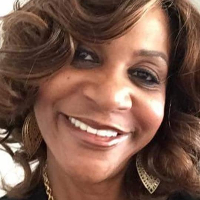
Ohio · 18 yrs exp
Compassionate counselor focused on practical change
Stress, Anxiety · Trauma and abuse · Grief · Anger · +11 more
Read profile
Ohio · 33 yrs exp
Practical, steady counseling for life’s hard moments
Stress, Anxiety · Family · Trauma and abuse · Self esteem · +12 more
Read profile
Ohio · 20 yrs exp
Practical therapy for stress, trauma, and codependency
Stress, Anxiety · Addictions · Relationship · Family · +15 more
Read profile
Ohio · 23 yrs exp
Experienced LPCC focusing on practical change
Stress, Anxiety · Relationship · Grief · Coping with life changes · +11 more
Read profile
Ohio · 17 yrs exp
Supportive Ohio LISW focused on practical change
Stress, Anxiety · Family · Parenting · Depression · +12 more
Read profile
Ohio · 13 yrs exp
Compassionate counselor focused on practical change
Stress, Anxiety · Addictions · Family · Self esteem · +11 more
Read profile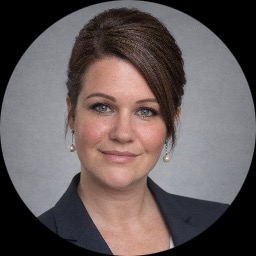
Ohio · 18 yrs exp
Compassionate social worker guiding practical change
Stress, Anxiety · Relationship · Grief · Self esteem · +10 more
Read profile
Ohio · 17 yrs exp
Experienced counselor focused on practical change
Stress, Anxiety · Addictions · Depression · Relationship · +12 more
Read profile
Ohio · 25 yrs exp
Calm, practical counseling for real-life challenges
Stress, Anxiety · Relationship · Family · Trauma and abuse · +16 more
Read profile
Ohio · 23 yrs exp
Compassionate, experienced therapist focused on practical change
Stress, Anxiety · Relationship · Trauma and abuse · Bipolar · +11 more
Read profile
Ohio · 11 yrs exp
Warm, steady counseling focused on everyday changes
Stress, Anxiety · Trauma and abuse · Parenting · Coping with life changes · +12 more
Read profile
Ohio · 12 yrs exp
Supportive LISW focused on practical change
Stress, Anxiety · Addictions · Trauma and abuse · Depression · +8 more
Read profile
Ohio · 33 yrs exp
Experienced LPCC focused on practical change
Stress, Anxiety · LGBT · Family · Trauma and abuse · +15 more
Read profile
Ohio · 13 yrs exp
Compassionate counselor using talk and creative approaches
Stress, Anxiety · Trauma and abuse · Grief · Self esteem · +15 more
Read profile
Ohio · 20 yrs exp
Compassionate practical support for everyday struggles
Stress, Anxiety · Relationship · Grief · Depression · +7 more
Read profile
Ohio · 36 yrs exp
Compassionate, practical therapy for real life
Stress, Anxiety · Self esteem · Depression · Coaching · +15 more
Read profile
Ohio · 25 yrs exp
Compassionate, experienced social worker
Stress, Anxiety · Trauma and abuse · Self esteem · Depression · +8 more
Read profile
Ohio · 7 yrs exp
Practical therapy focused on relationships and coping
Stress, Anxiety · Relationship · Trauma and abuse · Self esteem · +15 more
Read profile
Ohio · 20 yrs exp
Warm client-centered counselor focused on practical change
Stress, Anxiety · Relationship · Self esteem · Depression · +7 more
Read profile
Ohio · 4 yrs exp
Compassionate support for life’s hard transitions
Stress, Anxiety · Trauma and abuse · Grief · Depression · +1 more
Read profile
Ohio · 10 yrs exp
Compassionate counselor for stress and trauma
Stress, Anxiety · Addictions · Relationship · Trauma and abuse · +1 more
Read profile
Ohio · 30 yrs exp
Compassionate counselor helping with addiction and mood concerns
Addictions · Relationship · Bipolar · Depression · +1 more
Read profile
Ohio · 8 yrs exp
Practical, values-focused counseling for life change
Stress, Anxiety · Relationship · Self esteem · Depression · +3 more
Read profileOnline therapy has become a widely used option for people across Ohio seeking mental health and relationship support. State licensing rules allow many mental health professionals to provide services remotely to residents, provided they hold an active Ohio license and adhere to state regulations. You will find clinicians who indicate a range of modalities, settings, and population focuses, and many list the specific issues they work with on their profiles. Because the landscape of telehealth and remote practice continues to evolve, it helps to understand how online therapy fits within Ohio's regulatory framework and what types of professionals are most commonly available.
When you explore profiles, you will see differences in professional credentials, such as counselors, social workers, marriage and family therapists, psychologists, and psychiatrists. Each license type has its own scope of practice and oversight. Profiles often list approaches and special interests; for example, some therapists list EMDR among their approaches, while others list cognitive behavioral therapy or psychodynamic approaches. Those listings describe what a therapist highlights in their work rather than verifying formal certification in a particular method.
Online therapy can make it easier for you to access care from the comfort of your home or from another convenient place in Ohio. It can reduce travel time, remove geographic barriers, and expand the number of clinicians you can reasonably consider when you are looking for a particular focus or language match. You may find therapists who list experience working with relationships and codependency, anxiety, trauma, grief, or life transitions, which can be especially helpful if local in-person options are limited in your area.
Beyond convenience, many people find remote sessions help them maintain continuity of care through job changes, moves within the state, or during schedules that make in-person attendance difficult. Online formats also allow you to prioritize certain practical considerations when evaluating clinicians - such as the approaches they list, the populations they indicate they work with, and the languages they speak. While online therapy is not the right choice for everyone, it can be a flexible and effective way to get consistent support when it aligns with your needs and circumstances.
Therapists who work with Ohio residents remotely commonly address a wide range of emotional and relational concerns. You will frequently find clinicians listing codependency, relationship issues, communication difficulties, boundary setting, and family dynamics among their focus areas. Many profiles also highlight support for anxiety, depression, trauma-related symptoms, stress management, and life transitions such as career changes or caregiving responsibilities.
Some practitioners emphasize work with specific populations, such as adults, young adults, couples, or family systems, while others list specialties like grief support or parenting challenges. When you browse profiles, you can look for clinicians who list particular approaches among their services. For instance, some therapists list EMDR among their approaches and indicate an interest in trauma work, while others list cognitive behavioral therapy among their approaches for anxiety and mood concerns. These descriptions can help you identify practitioners whose stated focus and theoretical orientation feel aligned with what you are seeking.
Before you commit to working with someone, it is sensible to confirm that they hold an active Ohio license and that their license status is in good standing. You can do this by using the public license lookup tools maintained by the relevant Ohio boards. For counselors, social workers, and marriage and family therapists, the Ohio Counselor, Social Worker, and Marriage and Family Therapist Board provides a searchable verification system. Psychologists are overseen by the Ohio Board of Psychology, and physicians, including psychiatrists, are overseen by the Ohio Medical Board. Each board's online service typically allows you to search by name or license number to confirm license type, expiration date, and whether any disciplinary actions are recorded.
When you search, note the exact professional title listed and the license number if it is available on the clinician's profile. Look for information about current status and any public orders or sanctions. If you have questions about the meaning of a license type or a disciplinary entry, you can contact the licensing board directly for clarification. Verifying licensure is a practical step that helps you understand the formal credentials behind the profile and ensures that the clinician is authorized to practice in Ohio.
Starting therapy remotely begins with clarifying what you want help with and what matters most to you in a working relationship. Take a few moments to write down your goals, whether they are related to codependency and relationships, managing anxiety, processing trauma, or improving communication. Use those priorities when you read profiles so you can focus on therapists who list relevant areas of focus and approaches. Many profiles include short narratives about a clinician's interests and the populations they work with - those can give you a sense of how a therapist frames their work.
When you are comparing clinicians, pay attention to the credentials they list, the approaches they mention, and the languages they offer. Remember that a listing of an approach is not the same as a certification; it indicates the methods a therapist describes using. Consider also practical factors such as whether a clinician notes experience with couples or family work if that is important to your situation. You may want to reach out to ask about session format, the kinds of issues they routinely address, and how they describe their therapeutic style. Those early conversations can help you determine whether the clinician's approach feels like a good fit for you.
Technology and logistics matter when doing therapy online. Confirm what platform the clinician uses and whether it meets your expectations for privacy protections and compatibility with your devices. Check whether the clinician accepts your method of payment or your insurance plan, if that is part of your decision-making. When you plan for a session, choose a quiet, private space where you can speak without interruption and test your camera and microphone ahead of time. Finally, trust your sense of comfort and rapport; feeling heard and understood is a key part of productive work, whether sessions are held in person or online.
In initial conversations, you might ask about the issues a therapist commonly helps with and how they describe their approach in day-to-day practice. You can ask how they tailor work for relationship concerns or codependency, or how they structure sessions for anxiety and trauma support. Pay attention to how they listen and respond to your questions. Feeling respected, heard, and able to discuss goals openly are practical indicators of a good match. If you do not feel that connection, it is reasonable to keep looking until you find someone whose style aligns with your needs.
Choosing a therapist is a personal decision that benefits from thoughtful comparison. By focusing on licensure, the issues a clinician lists, the approaches they highlight, and practical concerns like language and payment options, you can narrow your search to professionals who are likely to meet your needs. Use the directory to explore profiles, read descriptions, and reach out to clinicians who seem like a good fit so you can get a clearer sense of whether their way of working resonates with you.
Online therapy in Ohio offers a flexible path to finding and working with mental health professionals whose focus areas and approaches align with what you need. As you explore the directory, keep in mind that listings reflect how clinicians present their work - including the approaches they list - rather than independent verification of specialized credentials. Verifying an Ohio license through the appropriate state board, preparing a comfortable setting for sessions, and asking clear questions about approach and logistics are all practical steps you can take to make the most of remote care.
Taking the first step to find a therapist can feel daunting, but you do not have to do it all at once. Clarify your goals, explore profiles that match your priorities, and reach out to learn more about how a clinician describes their work. With careful attention to the elements that matter most to you, you can identify therapists who appear well suited to support your goals and begin a process that fits your life in Ohio.
Addictions
5230 therapists
Anger
5674 therapists
Control Issues
5753 therapists
Dependent Personality
3656 therapists
Depression
7813 therapists
Domestic Violence
4213 therapists
Grief
6461 therapists
Guilt and Shame
7395 therapists
Intimacy Issues
4691 therapists
Isolation / Loneliness
6843 therapists
Self Esteem
7704 therapists
Stress & Anxiety
8451 therapists
Trauma and Abuse
7152 therapists
Abandonment
5825 therapists
Attachment Issues
5997 therapists
Blended Family Issues
4663 therapists
Caregiver Issues and Stress
5343 therapists
Codependency
8817 therapists
Commitment Issues
5177 therapists
Communication Problems
7506 therapists
Coping with Life Changes
7192 therapists
Divorce
5966 therapists
Family
6461 therapists
Family of Origin Issues
4646 therapists
Forgiveness
6672 therapists
Infidelity
4502 therapists
Jealousy
4512 therapists
Parenting
5313 therapists
Relationship
7447 therapists
Self-Love
7127 therapists