
Theresa Smith
LPCOklahoma · 20 yrs exp
Empathetic counselor blending practical therapy approaches
Stress, Anxiety · Addictions · Trauma and abuse · Anger · +8 more
Read profileTherapist listings are provided by BetterHelp. We will earn a commission at no additional cost to you if you use our links to purchase.
Welcome if you are searching for online therapists in Oklahoma. All therapists listed here are licensed in the state and describe their approaches and focus areas.
Browse profiles to see languages, specialties, and the therapy styles therapists list so you can find someone who aligns with your needs.
Oklahoma · 20 yrs exp
Empathetic counselor blending practical therapy approaches
Stress, Anxiety · Addictions · Trauma and abuse · Anger · +8 more
Read profile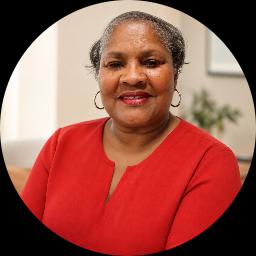
Oklahoma · 27 yrs exp
Compassionate counselor helping steady change
Stress, Anxiety · Addictions · Parenting · Anger · +11 more
Read profile
Oklahoma · 9 yrs exp
Practical support for everyday change
Stress, Anxiety · Anger · Self esteem · Coping with life changes · +16 more
Read profile
Oklahoma · 25 yrs exp
Practical, collaborative counseling for life’s hard moments
Stress, Anxiety · Family · Trauma and abuse · Parenting · +15 more
Read profile
Oklahoma · 22 yrs exp
Warm, practical counseling for stress and life changes
Stress, Anxiety · Self esteem · Depression · Coping with life changes · +9 more
Read profile
Oklahoma · 46 yrs exp
Experienced marriage and family therapist
Relationship · Family · Grief · Intimacy-related issues · +12 more
Read profile
Oklahoma · 30 yrs exp
Compassionate counselor helping people build coping skills
Stress, Anxiety · Relationship · Family · Trauma and abuse · +10 more
Read profile
Oklahoma · 16 yrs exp
Compassionate counselor focused on practical change
Stress, Anxiety · Trauma and abuse · Self esteem · Depression · +11 more
Read profile
Oklahoma · 9 yrs exp
Practical support for stress, codependency, and recovery
Stress, Anxiety · Addictions · Trauma and abuse · Depression · +6 more
Read profile
Oklahoma · 25 yrs exp
Experienced counselor focusing on relationship patterns
Stress, Anxiety · Relationship · Trauma and abuse · Depression · +14 more
Read profile
Oklahoma · 7 yrs exp
Healing that fits your life
Stress, Anxiety · Addictions · Trauma and abuse · Anger · +2 more
Read profile
Oklahoma · 11 yrs exp
Compassionate support for personal change
Relationship · Trauma and abuse · Self esteem · Coping with life changes · +12 more
Read profile
Oklahoma · 3 yrs exp
Therapist focused on practical emotional support
Stress, Anxiety · LGBT · Self esteem · Depression · +7 more
Read profile
Oklahoma · 13 yrs exp
Practical counseling for change and confidence
Stress, Anxiety · Relationship · Family · Trauma and abuse · +11 more
Read profile
Oklahoma · 13 yrs exp
Compassionate counselor for life’s repeating patterns
Stress, Anxiety · Addictions · LGBT · Family · +15 more
Read profile
Oklahoma · 3 yrs exp
Compassionate practical support for everyday struggles
Stress, Anxiety · Trauma and abuse · Self esteem · Depression · +4 more
Read profile
Oklahoma · 37 yrs exp
Compassionate counselor blending attachment and practical skills
Stress, Anxiety · Anger · Self esteem · Depression · +14 more
Read profile
Oklahoma · 7 yrs exp
Straightforward counseling for life changes and relationships
Stress, Anxiety · Relationship · Self esteem · Coping with life changes · +5 more
Read profile
Oklahoma · 23 yrs exp
Compassionate, practical support for real change
Stress, Anxiety · Trauma and abuse · Self esteem · Depression · +2 more
Read profile
Oklahoma · 8 yrs exp
Compassionate, practical counseling for real-life challenges
Stress, Anxiety · Trauma and abuse · Grief · Self esteem · +1 more
Read profile
Oklahoma · 7 yrs exp
Support for stress, mood, and relationship struggles
Stress, Anxiety · Trauma and abuse · Self esteem · Bipolar · +11 more
Read profile
Oklahoma · 16 yrs exp
Experienced LCSW supporting emotional recovery
Stress, Anxiety · Family · Self esteem · Depression · +1 more
Read profile
Oklahoma · 7 yrs exp
Compassionate trauma-informed counselor
Relationship · Trauma and abuse · Career · Depression · +1 more
Read profile
Oklahoma · 4 yrs exp
Practical support for relationship and addiction struggles
Stress, Anxiety · Addictions · Relationship · Trauma and abuse · +1 more
Read profileIn recent years, Oklahoma residents have increasingly accessed mental health support through online therapy. If you are exploring teletherapy, you will find licensed clinicians across the state who offer remote appointments by video or phone. These clinicians include licensed counselors, social workers, marriage and family therapists, and psychologists, each listing the kinds of approaches and populations they work with. While the mechanics of remote sessions can vary, the common thread is that the professional holds an active license to practice in Oklahoma and indicates teletherapy as a service option. You can expect to encounter therapists who list a range of therapeutic approaches among their methods, from cognitive behavioral techniques to psychodynamic work and other methods. Understanding that a therapist’s profile reflects what they list about their practice will help you focus on areas like clinical interests, age groups served, and the language in which they provide services, which are all practical priorities when choosing someone to work with online.
Online therapy expands access across urban and rural areas of Oklahoma, making it easier for you to connect with a clinician without traveling long distances. If you live in a community with limited in-person mental health services, teletherapy lets you meet with someone who lists the right focus areas and approaches for your concerns. Online formats also offer flexibility around scheduling and the ability to remain in a location where you feel comfortable during the session. For people with mobility constraints, caregiving responsibilities, or unpredictable work hours, remote sessions can reduce the time and logistical barriers that often interrupt consistent care. Additionally, online profiles let you review important information before you reach out - such as the issues a therapist lists, languages they offer, and the age ranges they work with - so you can make an informed choice about who to contact. While online therapy is not the same as in-person work for everyone, many people find that the convenience and broader access help maintain momentum in treatment and make it easier to try an approach that fits their life circumstances.
When you look through profiles in this directory, you will see therapists who list an array of focus areas that reflect the concerns people commonly bring to therapy. These can include relationship and codependency issues, anxiety, depression, trauma-related symptoms, stress from work or caregiving roles, life transitions, and parenting or family dynamics. You may also find clinicians who list support for grief, substance use concerns, and challenges tied to major life events. Different therapists describe the populations they work with, such as adolescents, adults, couples, or families, and note the languages they speak. You can also discover clinicians who list particular therapeutic approaches among their toolkit; for example, some list cognitive behavioral therapy, others list trauma-informed approaches, and still others list approaches focused on relational dynamics. Remember that a therapist’s profile tells you what they list as areas of focus and methods they use, which helps you connect with someone whose stated interests align with the issues you want to address.
It is important to verify that the clinician you are considering holds an active Oklahoma license for the type of care you need. The first practical step is to note the professional designation shown on a therapist’s profile - such as licensed professional counselor, licensed clinical social worker, marriage and family therapist, or psychologist - and ask for the license number if it is not displayed. With that information, you can use the appropriate Oklahoma regulatory board’s public license lookup tool to confirm the license status and any public disciplinary record. If you are unsure which board oversees a specific credential, you can ask the clinician which state board issued their license and request a direct link to their license record. Verifying a license typically reveals the license type, the license status, the date of issuance, and any board actions that are part of the public record. If you have questions about what you find, state boards often provide contact information so you can call for clarification. Taking these steps helps ensure that the clinician holds the legal credentials to practice in Oklahoma and gives you greater confidence when you begin working together.
Starting with an online therapist often begins with a careful review of profiles so you can identify clinicians who list the right approaches, language abilities, and populations they work with. Once you have a short list, reach out through the contact method provided in the profile to request an initial conversation or intake information. Use that first contact to ask about practical matters such as typical session length, fee structure, and whether the clinician lists experience with the issues you want to address. When preparing for your first remote appointment, choose a quiet private space in your home where you will be free from interruptions and where you feel comfortable speaking. Test your internet connection and device ahead of time so the technical side is less stressful on the day of your meeting. It is reasonable to ask the clinician what platform they use for sessions and whether they provide guidance for technology troubleshooting, and you can request any intake forms in advance so you have time to complete them thoughtfully. Beginning with a clear understanding of logistics and the therapist’s stated areas of practice helps you focus the early sessions on goals and rapport-building rather than administrative details.
Before you reach out to someone, reflect on the qualities that matter most in a therapeutic relationship. You might prioritize a therapist who lists experience with relationship dynamics, someone who offers services in a language you speak fluently, or a clinician who describes a therapeutic approach that resonates with you. Think about whether you prefer a more directive style or a reflective, exploratory approach, and look for profiles that communicate a similar orientation. Identifying a few key priorities will help you narrow your choices and make your initial conversations more purposeful.
Approach labels can be informative, but they do not capture the full nuance of a clinician’s work. When a therapist lists an approach you are curious about, you can ask during an initial call how they integrate that approach into sessions and what a typical session might feel like. Some clinicians may list multiple approaches; asking how they apply those methods to issues like relationship patterns or trauma-related symptoms will give you clearer insight than relying on labels alone. Focus on the questions and explanations that give you a sense of how the therapist thinks about change and progress.
Fit includes clinical focus, communication style, logistical considerations, and language. If a therapist lists work with families, adolescents, or codependency-related issues, and you need that focus, that match can be valuable. Also consider practical matters such as fees and whether the therapist lists the ability to work in your preferred language. After a few sessions you will have a better sense of whether the clinician’s style and approach help you move toward your goals. It is normal to try more than one clinician before finding the right fit; what matters most is that you find a therapist whose approach and manner help you engage productively in the work.
By taking time to review profiles, verify licensure, prepare for the logistics of remote sessions, and consider fit, you increase the odds of finding an online therapist in Oklahoma who aligns with your needs and preferences. Use the listings here to explore clinicians who list the approaches and focus areas that feel relevant to you, and take the first step toward arranging an introductory conversation when you are ready.
Addictions
5230 therapists
Anger
5674 therapists
Control Issues
5753 therapists
Dependent Personality
3656 therapists
Depression
7813 therapists
Domestic Violence
4213 therapists
Grief
6461 therapists
Guilt and Shame
7395 therapists
Intimacy Issues
4691 therapists
Isolation / Loneliness
6843 therapists
Self Esteem
7704 therapists
Stress & Anxiety
8451 therapists
Trauma and Abuse
7152 therapists
Abandonment
5825 therapists
Attachment Issues
5997 therapists
Blended Family Issues
4663 therapists
Caregiver Issues and Stress
5343 therapists
Codependency
8817 therapists
Commitment Issues
5177 therapists
Communication Problems
7506 therapists
Coping with Life Changes
7192 therapists
Divorce
5966 therapists
Family
6461 therapists
Family of Origin Issues
4646 therapists
Forgiveness
6672 therapists
Infidelity
4502 therapists
Jealousy
4512 therapists
Parenting
5313 therapists
Relationship
7447 therapists
Self-Love
7127 therapists